ASTMH Annual Meeting 2025
blogNavigating the Fallout From U.S. Disengagement in Global Health
By: Matthew Davis, Burness
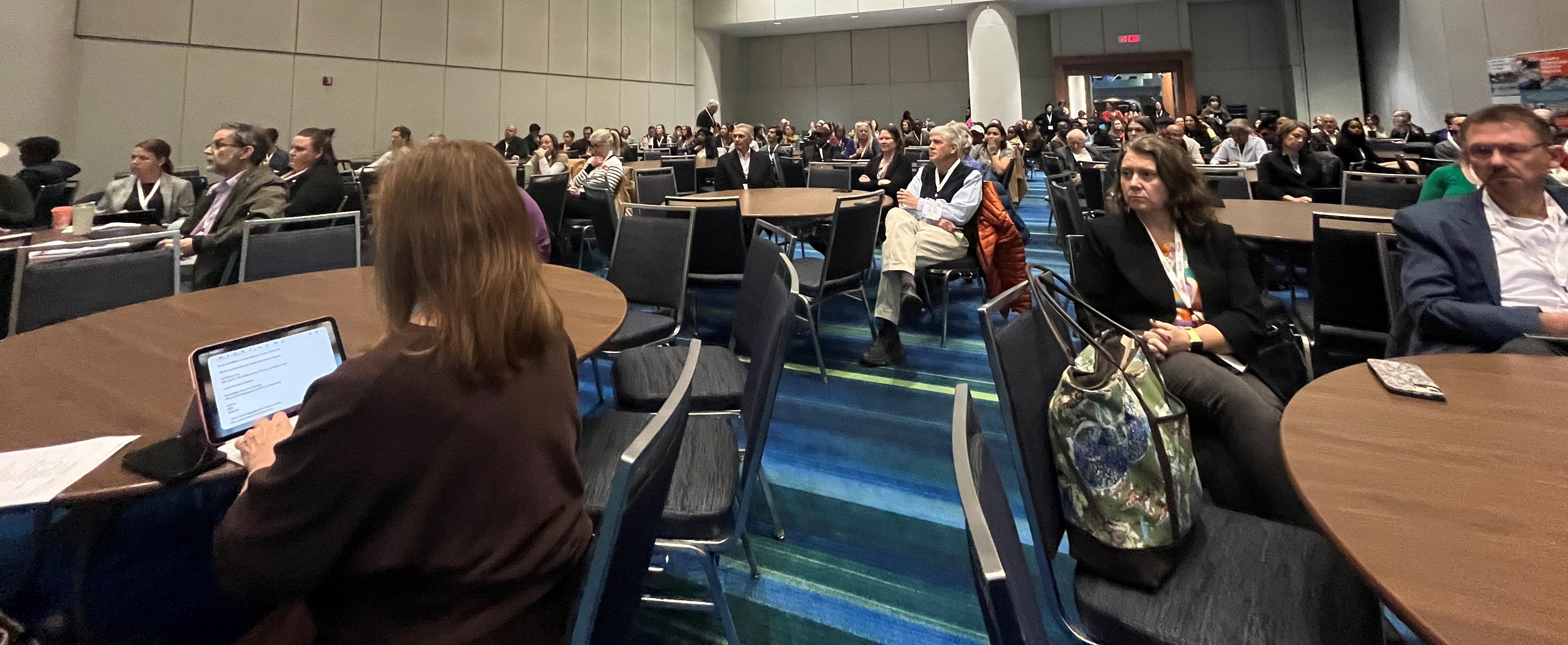
Note: This session operated under the Chatham House Rule – an agreement that the discussion could be shared but without attribution to specific individuals or organizations.
The harm caused by massive cuts to U.S. global health programs was very much on display Tuesday at #TropMed25 as representatives from research institutions and NGOs took stock of the damage and discussed how to respond.
There were times when the session felt like a tour through the aftermath of an earthquake. And based on the overview provided by an expert in global health programs, the cuts exacted since January 20 do feel seismic.
For example, she noted that by March of this year, 80% of USAID programs had been canceled because they were deemed “wasteful and woke.” While some of the agency’s AIDS, malaria and TB work appears to be continuing under a new program, support for neglected tropical diseases (NTDs) is still MIA. The U.S. Centers for Disease Control and Prevention (CDC) has lost a third of its workforce, its vaccine advisory panel has been gutted, and its director forced to resign for disagreeing with vaccine policies that lacked scientific evidence. The U.S. government also has withdrawn from the WHO.
At the National Institutes of Health (NIH), hundreds of grants have been terminated, and research institutions face caps on “indirect costs” essential for funding research facilities. A new NIH policy for funding multiyear grants with a single upfront payment will significantly reduce the number of grants awarded in a given year.
This is just a highlight of what’s happened thus far. And the aftershocks are now starting to affect work on the ground.
A senior official with a well-established NGO said that, due to the loss of USAID funding, she has had to terminate 80% of her staff that was working globally to fight NTDs. She said the USAID cuts to NTD programs are the “epitome of waste” because drugs pharmaceutical companies donated for treating diseases like trachoma and river blindness are expiring — and the funding that was supposed to support local distribution is no longer available.
An official from another NGO said he’s looking for ways to keep those drugs flowing.
“It’s a call for all of us to see what we can do to fill the gaps, to make sure that pharmaceutical donations don’t go to waste,” he said. He noted that it was heartening to see funders such as the Gates Foundation, the Novo Nordisk Foundation and the MacArthur Foundation increase their support for global health work in the wake of the cuts to USAID.
A representative from a product development partnership said that while her organization has not yet experienced direct impacts, there is uncertainty about future support for ongoing projects. She said the concern is that current work could be building a “bridge to nowhere” if funding is suddenly stopped.
One participant said the U.S. disengagement is happening at a particularly bad time for vaccine programs. She said many countries already were struggling to close immunization coverage gaps caused by the COVID-19 pandemic and that a recent survey of immunization professionals from around the world revealed widespread worries. They include fears of vaccine shortages and also that recommendations from the CDC’s Advisory Committee on Immunization Practices (ACIP) — long a source of guidance for vaccination policies around the world — may no longer be reliable.
A researcher from an institution that has been singled out for significant funding cuts said faculty members have been advised to avoid speaking publicly about the importance of global health investments. But he disagrees.
“I think we have to explain in a bipartisan and non-confrontational way why this matters,” he said, noting that the investments generate economic opportunities alongside humanitarian benefits. He said the global health research community will “get through this, but it will take a while to get back to normal.”
One participant sought inspiration in the words of the late Sen. Edward Kennedy: “The work goes on, the cause endures, the hope still lives, and the dreams shall never die.”
Related Posts
By: Matthew Davis, Burness